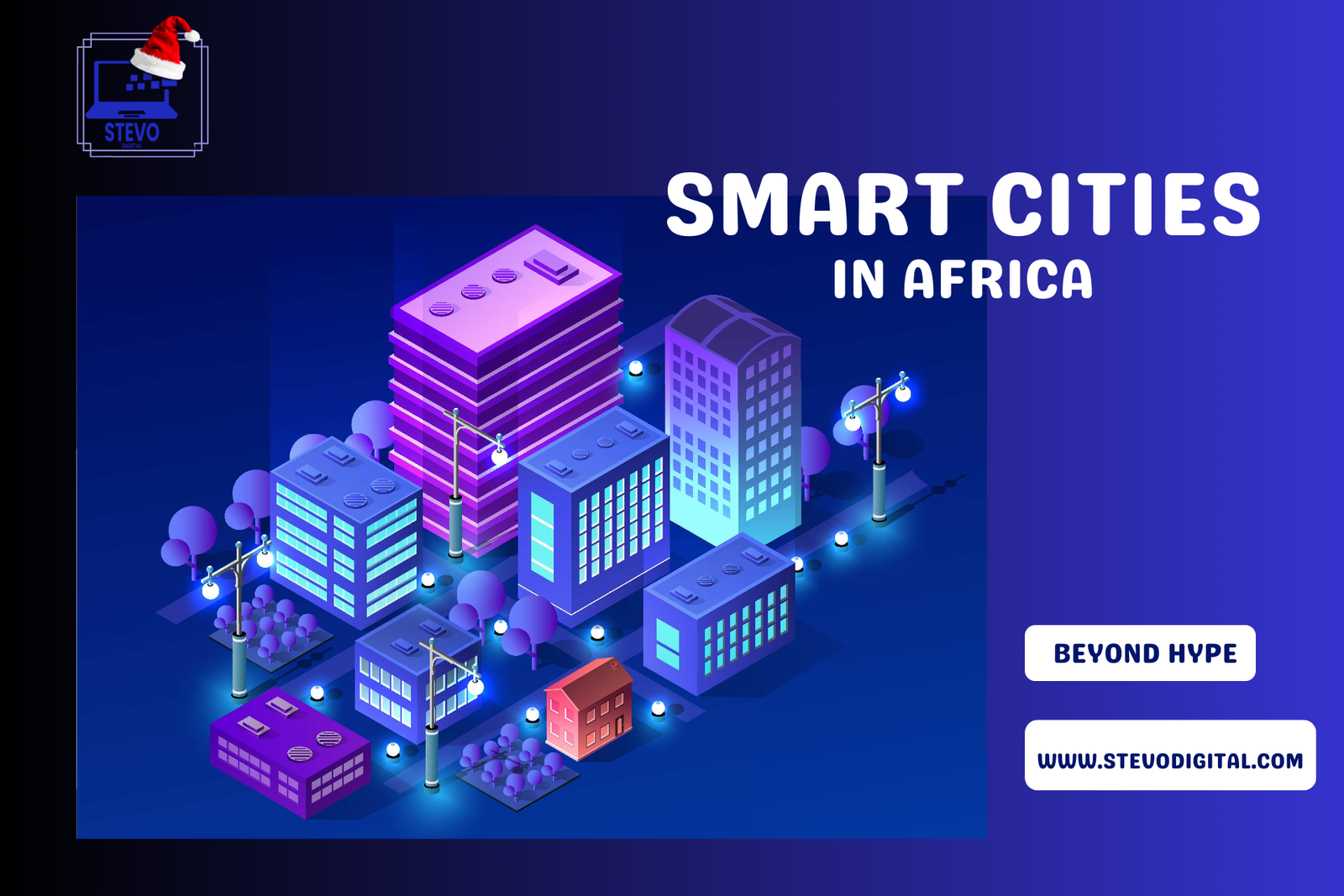
Smart Cities in Africa: Beyond the Hype, Real Solutions for Real People
Introduction:
Smart cities are no longer a futuristic dream for Africa; they're a tangible movement reshaping urban landscapes and offering innovative solutions to long-standing challenges. But beyond the glossy brochures and tech-heavy jargon, what's really happening on the ground? We're diving into the practical applications and real-world impacts of smart city initiatives across the continent.
Key Talking Points:
- Leveraging Digital Technologies:
- The Promise: Smart cities use digital technologies to make the lives of residents easier.
- The Reality: This includes everything from traffic monitoring to waste management, crime detection, and fire response. Cape Town, South Africa, is a prime example, partnering with network providers to gather data from city sensors to improve efficiency [1].
- The Lesson: Digital transformation isn't just about having the latest gadgets; it's about using technology to drive meaningful change and improve the quality of life for all citizens.
- Addressing Urbanization Challenges:
- The Challenge: Many African cities struggle with rapid urbanization, leading to housing shortages, inadequate infrastructure, and limited access to essential services [2].
- The Smart City Approach: New urban areas are being built near pre-existing cities to address these challenges. Kenya, Rwanda, and Nigeria all have such projects in the works [2].
- The Lesson: Smart city projects can act as catalysts for economic growth, providing new job opportunities and attracting investment while also addressing critical infrastructure needs.
- Creating Sustainable and Inclusive Communities:
- The Vision: Smart cities aim to make more sustainable use of resources, respond better to crises, and adapt to a world racing forward in the field of technology [2].
- The Examples:
- The Lesson: Smart cities can be more than just tech hubs; they can be models for sustainable urban development, integrating renewable energy, efficient transportation, and smart infrastructure to create more livable and resilient communities.
Conclusion:
Africa's smart city revolution is underway, driven by the need to address the challenges of rapid urbanization and create sustainable, inclusive communities. While challenges remain, the potential for these technology-driven cities to transform lives and economies is undeniable.
Call to Action:
What are your thoughts on the future of smart cities in Africa? Share your insights and ideas in the comments below!